 Manufacturing
Have you ever wondered what goes into creating that calming, sweet aroma that fills your home during morning prayers? The art of making incense is centuries old, and every agarbatti starts as a carefully measured blend of fragrant powders — sandalwood, herbs, natural resins, and pure essential oils. At Sourish Agarbati, a family-run agarbatti manufacturer in Surat, our fragrance masters adjust every formula by hand based on humidity, season, and batch quality.
In this comprehensive guide, we break down the complete incense stick manufacturing process from start to finish. Whether you are a daily user, a temple trustee, or a retailer looking to source wholesale agarbatti, understanding this process will help you appreciate the true value of handcrafted incense.
1. Sourcing the Highest Quality Raw Materials
The foundation of a great incense stick lies in its raw materials. Before production begins, all materials are strictly inspected on arrival. Good incense sticks require an even mix so the stick burns slowly and releases scent steadily. We source natural bamboo sticks (for standard agarbatti) and high-grade botanical powders. We strictly avoid harsh synthetic charcoal bases, which cause heavy black smoke and throat irritation. Instead, we use natural binders, pure sandalwood powder, and natural resins like loban and gugal to create a smooth, low-smoke burning experience.
2. The Art of Fragrance Blending (Masala Preparation)
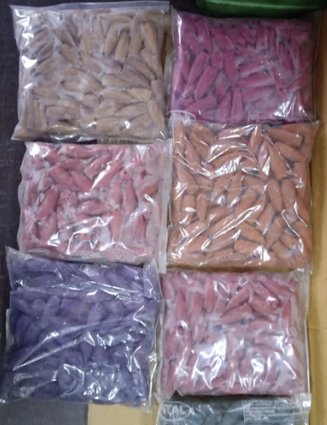
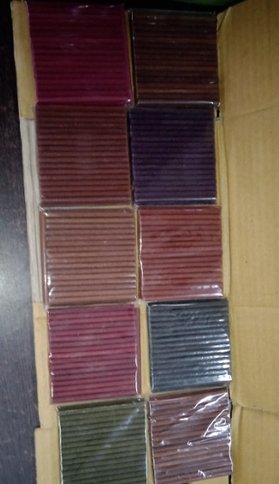
This is where the magic happens. The raw powders are mixed with specific essential oils and floral extracts to create a dough-like paste. At our Surat facility, we create a wide variety of signature fragrances. For example, our popular color agarbatti features vibrant, fruity, and floral notes like Kesar, Mogra, and Gulab. Meanwhile, our metallic agarbatti is blended with premium oils to give a glossy finish and a long-lasting, rich aroma.
3. Hand Rolling the Incense Sticks
While machines can mass-produce incense, the traditional hand-rolling method ensures a superior product. The prepared paste is meticulously rolled onto bamboo cores by skilled artisans to ensure an even thickness. Our hand-rolled agarbatti is typically made in a 9-inch length for a consistent, slow burn of 45 to 60 minutes. This is precisely why hand rolled incense sticks hold their fragrance much longer than machine-extruded sticks. If you prefer a stickless format, we also carefully mold our premium bambooless agarbatti, which is highly popular for its unique burning experience.
4. Natural Sun Drying & Curing
Once rolled, the wet incense sticks are placed on bamboo screens and air-dried naturally in the sun for several days. This slow drying process is crucial. If dried too fast, the sticks can crack or burn unevenly. Proper curing locks in the essential oils, ensuring the fragrance doesn't evaporate before you even light the stick. Our resin-based dhoop sticks and dhoop cones also undergo a specialized drying process to maintain their dense, rich aroma.
5. Rigorous Quality Control & Batch Testing
Before any batch leaves our workshop, it goes through a strict quality check. Our team performs burn tests to ensure the ash color and smoke are optimal, weighs the bundles to ensure accurate quantity, and checks the fragrance retention. For wholesale buyers, this consistency in weight, count, and burn time is what separates a reliable supplier from a risky one.
6. Moisture-Proof Packaging
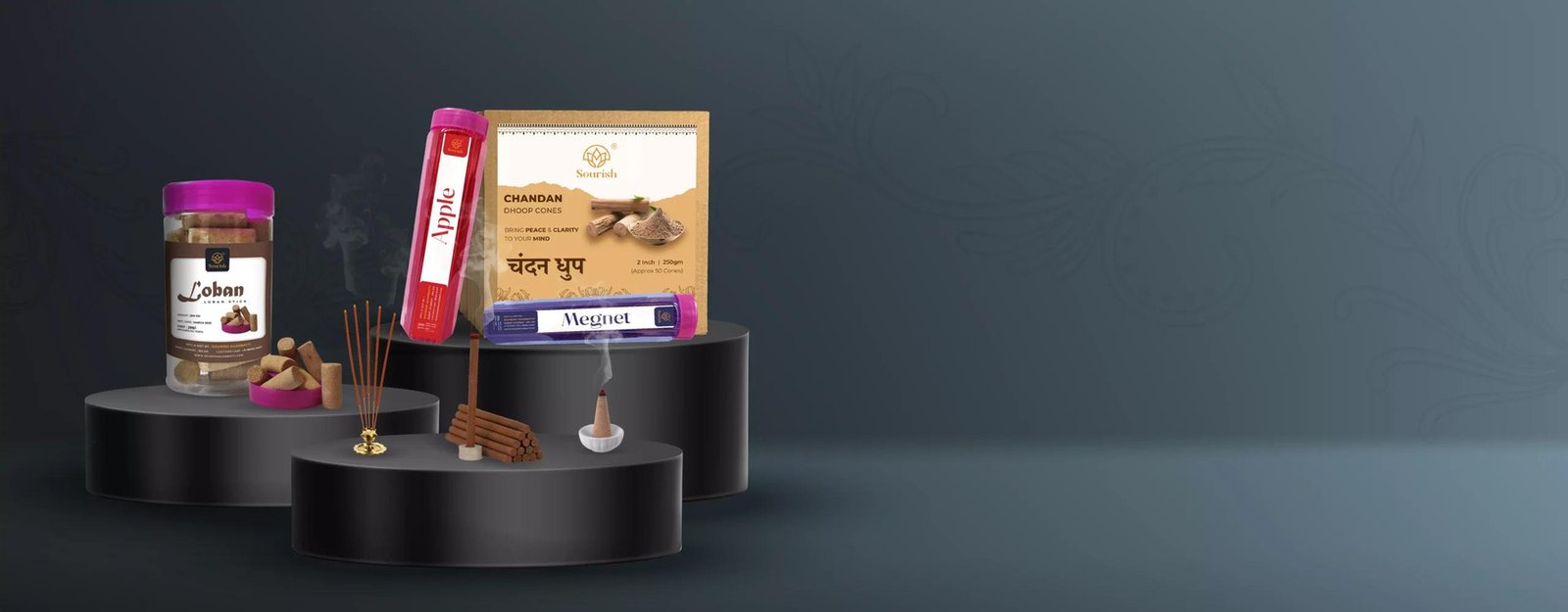
Incense is highly sensitive to moisture. Once dried and tested, the sticks are counted and sealed in high-quality, moisture-proof packaging to lock in the fragrance. For our B2B clients, we offer completely customizable packaging options, including personalized boxes, jars, and tubes for private labeling. You can read our wholesale agarbatti buying guide to understand more about packaging standards.
Why the Manufacturing Process Matters When You Buy in Bulk
When you purchase in bulk, you aren't just buying a product; you are investing in a supply chain. A manufacturer that cuts corners during the drying or blending phase will deliver incense that smells synthetic, snaps easily, or produces harsh smoke. Understanding the difference between dhoop sticks, cones, and backflow cones also helps you stock the right products for your customers.
Want to experience our craftsmanship for yourself? Visit our wholesale catalog to see pricing, check out our export options for international shipping, or contact the factory directly to request samples.