 Pooja Guide
In Indian households and temples, the fragrance of burning resins is an integral part of daily rituals. If you have ever looked closely at a pooja thali, you will notice two very common offerings: pure loban (also known as benzoin resin or sambrani) and gugal dhoop. While they might look similar and are both used to purify the air and create a spiritual atmosphere, they are quite different in their origin, aroma, and how they are burned.
Whether you are a devotee looking to enhance your daily puja or a retailer looking to stock the right pooja products, this comprehensive guide breaks down everything you need to know about Pure Loban and Gugal Dhoop.
What is Pure Loban (Benzoin/Sambrani)?
Pure loban is a natural resin extracted from the bark of trees native to Southeast Asia. In India, it is highly valued for its warm, sweet, and slightly vanilla-like resinous aroma. Unlike incense sticks, loban usually comes in the form of solid lumps or crystals.
It is traditionally burned on a piece of hot charcoal placed in a heat-proof holder. The smoke produced is dense and deeply comforting. It is considered highly auspicious for Hawan (fire rituals), evening aarti, and driving away negative energy. You can explore our premium pure original natural loban, which is available in retail packs and for loban wholesale orders through our catalog and enquiry page.
What is Gugal Dhoop?
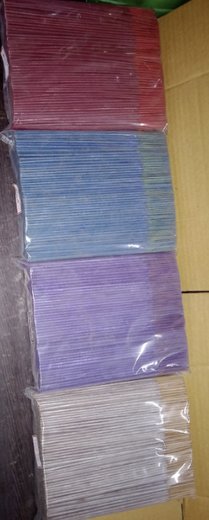
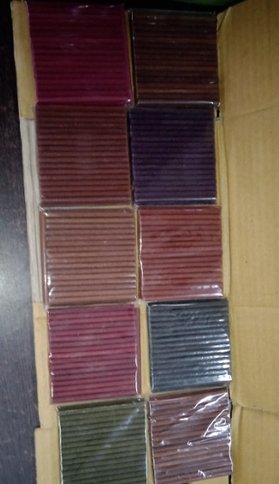
Gugal (or Guggul) is another natural gum resin, but it is typically blended with herbs, fragrant powders, and essential oils, then hand-rolled into sticks or shaped into cones. Because the gugal resin acts as a natural binder and combustible material, gugal dhoop does not require charcoal to burn.
You can simply light the tip of a dhoop stick and let it smolder. It gives off a calming, purifying smoke with a deeper, earthier, and sometimes slightly spicy note. To see how these differ from other formats, read our guide on dhoop sticks, cones, and backflow cones.
Key Differences: Loban vs. Gugal Dhoop
- Form & Usage: Loban comes as solid resin lumps and requires an external heat source (charcoal). Gugal dhoop comes in ready-to-light sticks or cones.
- Aroma: Loban has a sweet, balsamic, and bright fragrance. Gugal dhoop has a deeper, earthy, and heavier aroma.
- Burn Time: Charcoal-burned loban can last for a long time depending on the lump size. A gugal dhoop stick typically burns for 30–45 minutes.
- Best For: Loban is excellent for large spaces, hawan, and festive occasions. Gugal dhoop is perfect for quick, daily morning and evening puja.
Benefits of Using Them in Your Pooja
Both loban and gugal dhoop are more than just air fresheners; they are integral to the spiritual and physical cleansing of a space.
- Air Purification: The smoke from these natural resins is known to act as an antibacterial and air purifier. It helps eliminate odors and freshens up the room.
- Spiritual Cleansing: In Hindu tradition, the smoke is believed to carry prayers to the heavens while clearing the mind and the environment of negative vibrations.
- Meditation & Focus: The rich, soothing aromas help calm the nervous system, making them ideal for meditation, yoga, and relaxation.
- Insect Repellent: Loban smoke is a well-known natural repellent for mosquitoes and other household insects.
Which One Should You Use or Stock?
The choice between loban and gugal dhoop often comes down to your daily routine and preference:
- For Hawan and Festive Pooja: Use traditional loban on a charcoal disc for a grand, lasting aroma.
- For Daily Morning/Evening Puja: Light a gugal dhoop stick or cone for a quick, mess-free, and relaxing experience.
- For a Complete Puja Set-up: Combine both with regular agarbatti and camphor, or pick a ready-made set from our pooja samagri range.
If you are a retailer, stocking both is a smart move. They cater to different needs and ensure your customers always find what they need. For more retail tips, check out our wholesale agarbatti buying guide.
How to Burn Them Safely
Safety is paramount when dealing with burning resins and hot charcoal.
- Ventilation: Always burn incense in a well-ventilated area to avoid smoke accumulation.
- Proper Holder: Use a heat-proof plate, a traditional brass dhoop holder, or a specialized backflow burner. Never place hot charcoal directly on wood or plastic.
- Keep Away: Ensure burning dhoop is kept far away from children, pets, and flammable materials like curtains.
- Never Leave Unattended: Always extinguish the charcoal or dhoop completely before leaving the house or going to sleep.
Want to experience the purest fragrances for your home or temple? Visit our wholesale catalog to see our range of natural resins and dhoop products. For international buyers, we also offer export services for all our incense products.